View this page in: English | Español
La audición es compleja y requiere de una serie de acciones y reacciones para funcionar. El proceso implica que muchas partes del oído trabajen juntas para convertir las ondas sonoras en información que el cerebro comprende e interpreta.
Las ondas sonoras ingresan al canal auditivo y viajan hacia nuestros tímpanos.
Las ondas sonoras hacen que vibren el tímpano y los huesos del oído medio.
Pequeñas células ciliadas dentro de la cóclea, el órgano sensorial del oído, convierten estas vibraciones en impulsos eléctricos que son captados por el nervio auditivo.
Al nacer, cada oído típico tiene alrededor de 12.000 células sensoriales, llamadas células ciliadas, que se asientan sobre una membrana que vibra en respuesta al sonido entrante. Cada frecuencia de un sonido complejo hace vibrar al máximo la membrana en una ubicación determinada. Debido a este mecanismo, escuchamos diferentes tonos dentro del sonido. Un sonido más fuerte aumenta la amplitud de la vibración, por eso escuchamos el volumen más alto.
Las señales enviadas al cerebro desde el nervio auditivo se interpretan como sonidos.
Cómo funciona la audición (tiene disponible subtitulado en español)
Una vez que las células ciliadas del oído interno se dañan, se produce una pérdida auditiva neurosensorial permanente.
Actualmente, la pérdida auditiva neurosensorial no se puede restaurar en humanos, pero los investigadores de la HHF están trabajando para comprender mejor los mecanismos de la pérdida auditiva, y así encontrar mejores tratamientos y curas.
Traducción al español realizada por Julio Flores-Alberca, enero 2024. Sepa más aquí.
More Resources

Hearing loss doesn’t have to be the end. It can feel like it, but it doesn’t have to be. Music is still possible. Life is still possible. There are ways to regain control, ways to find your own authorship through understanding. I want people to know that.
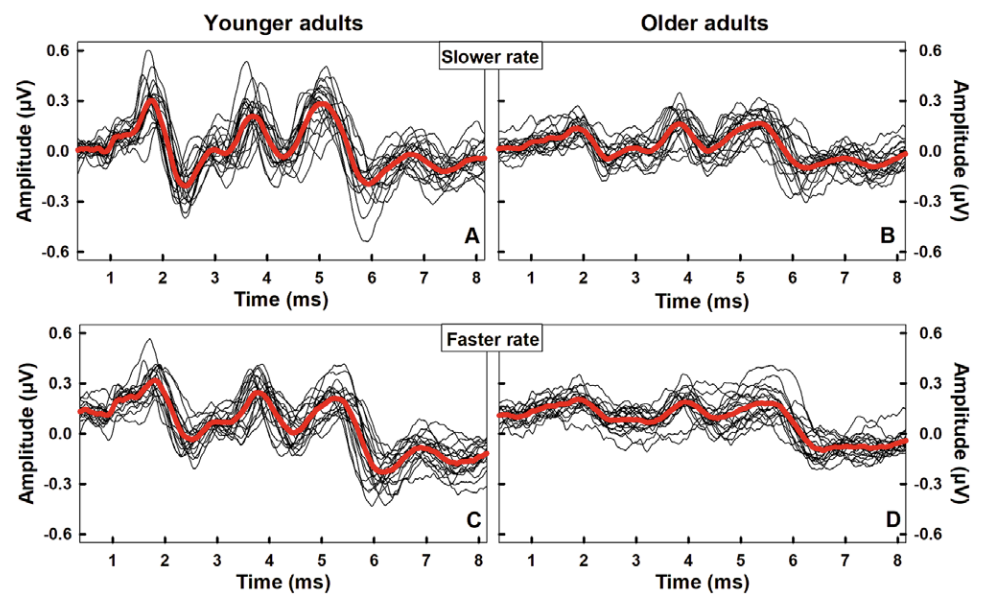
Younger and older adults improved at similar rates from lower levels of noise—meaning that both groups benefited equally from better listening conditions. But older adults needed a head start: They needed lower levels of background noise to reach the same accuracy.
As shown on “The Pitt,” when an American Sign Language (ASL) interpreter is unavailable or real-time captioning is missing, vital information is lost, leading to diagnostic and treatment delays.
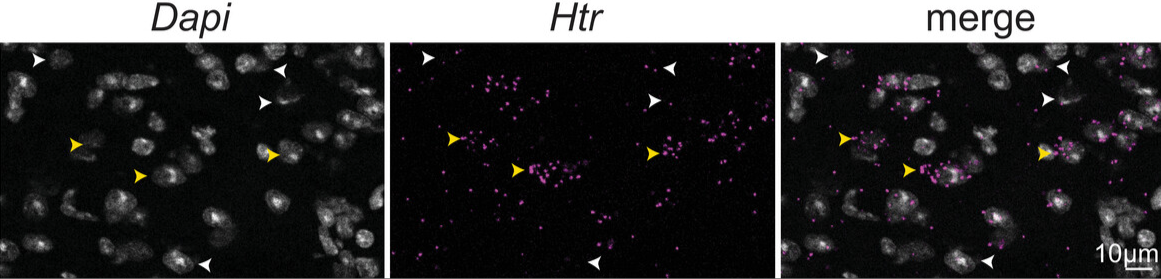
Serotonin seems to quiet down excitatory neurons while boosting inhibitory ones. This differential modulation may help us to understand the role of serotonin in auditory disorders such as tinnitus and age-related hearing loss.
Today, I wear my “HARD OF HEARING” hoodie proudly because I’m no longer hiding from my hearing loss.
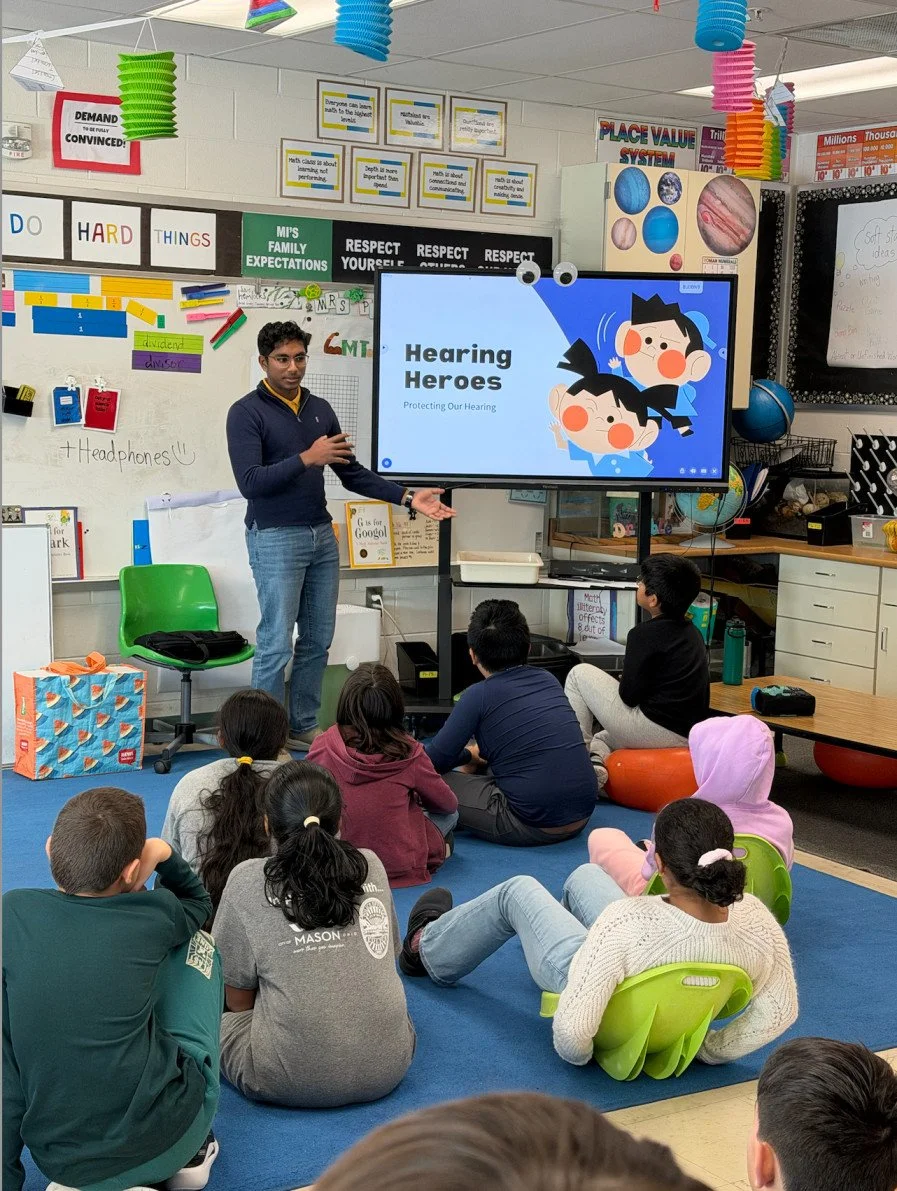
In addition to conducting research, I realized that prevention is just as important, or even more important than treatment. Noise-induced hearing loss (NIHL) is becoming increasingly prevalent among Gen Z—my peers—due to increased access to personal listening devices and loud entertainment events.
Auracast promises something long imagined but never fully realized: a standardized, open broadcast that allows audience members to receive high-quality audio directly in their own hearing aids, earbuds, or smartphones. This happens without venue-specific hardware, without checkout counters, and without the stigma or inconvenience of borrowed devices.
The internship last summer provided my first real chance to step into hearing science and learn the experimental side of speech perception under the tutelage of a senior researcher.
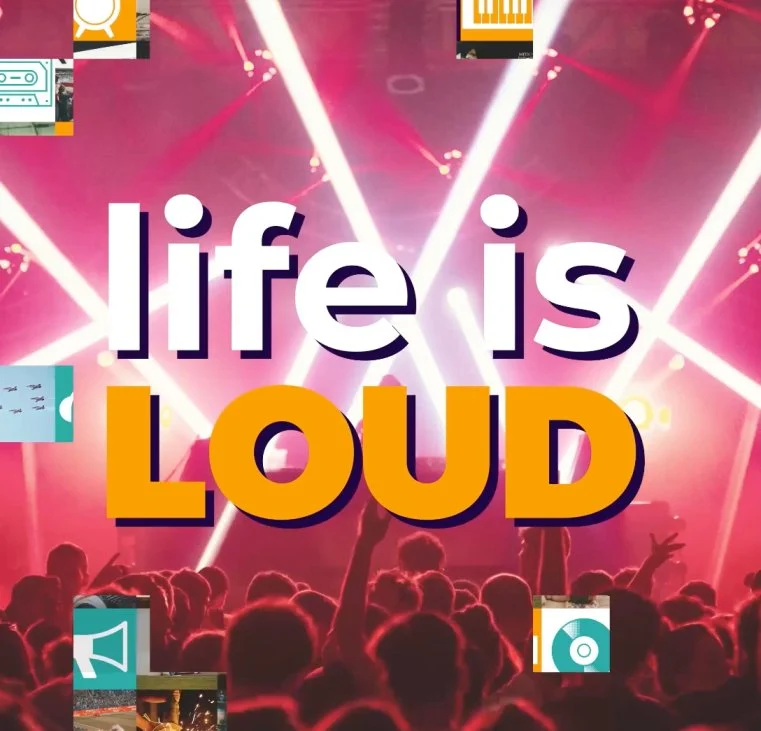
Our new public service announcement “Let’s Listen Smart” recognizes that life is loud—and it’s also fun. And the last thing we want to do is stop having fun! We just need to listen responsibly.
Hearing contributes directly to independence, confidence, and how actively people participate in daily routines, and regular hearing checks deserve the same kind of attention people already give to routine doctor or dental visits.
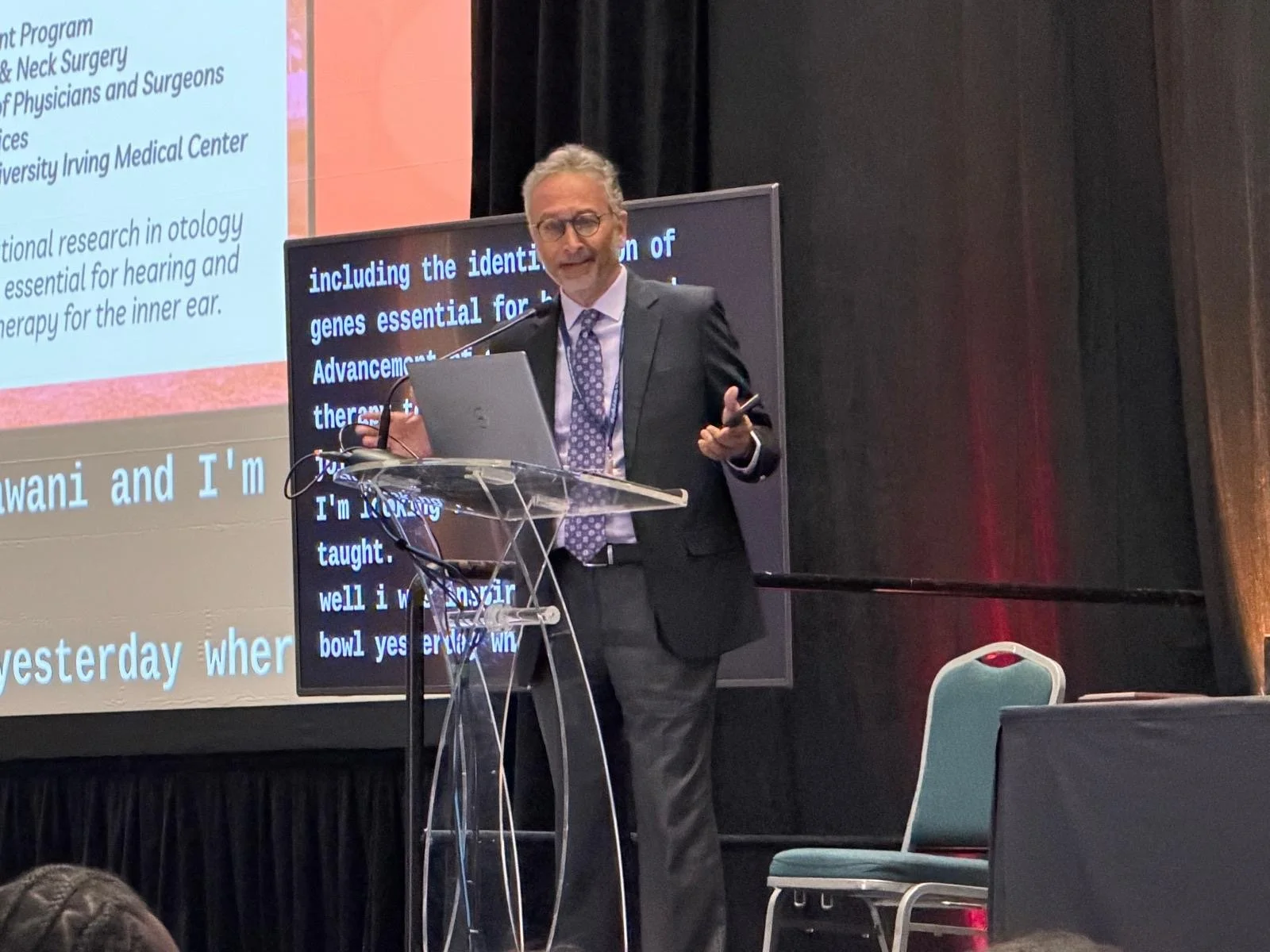
We are proud that Hearing Health Foundation-funded scientists are always well represented at Association for Research in Otolaryngology MidWinter Meeting.

Using the new biosensor, we discovered that zinc signaling is directly involved in how the brain processes sound in the auditory cortex during sound processing and in the amygdala during aversive responses.