Ver pagina en: English | Español
Hearing is complex, requiring a series of actions and reactions to work. The process involves many parts of the ear working together to convert sound waves into information the brain understands and interprets.
Sound waves enter the ear canal and travel toward our eardrums.
The sound waves cause the eardrum and bones in the middle ear to vibrate.
Tiny hair cells inside the cochlea, the sensory organ of the ear, convert these vibrations into electric impulses that are picked up by the auditory nerve.
At birth, each typical ear has about 12,000 sensory cells, called hair cells, which sit on a membrane that vibrates in response to incoming sound. Each frequency of a complex sound maximally vibrates the membrane at one location. Because of this mechanism, we hear different pitches within the sound. A louder sound increases the amplitude of the vibration, so we hear loudness.
Signals sent to the brain from auditory nerve are then interpreted as sounds.
Once the hair cells in the inner ear are damaged, permanent sensorineural hearing loss occurs.
Currently, sensorineural hearing loss cannot be restored in humans, but HHF’s researchers are working to better understand the mechanisms of hearing loss to find better treatments and cures.
More Resources
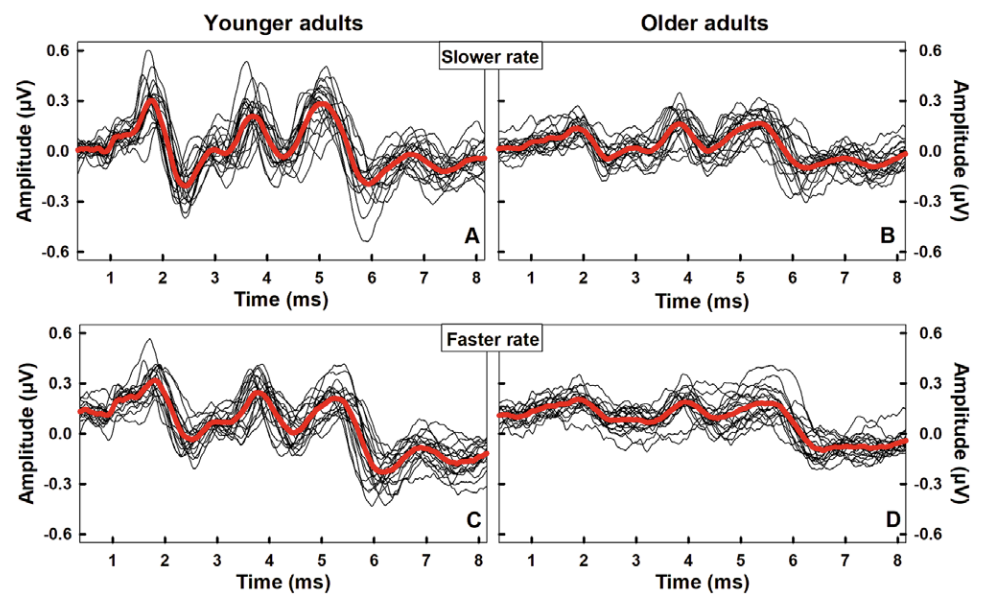
Younger and older adults improved at similar rates from lower levels of noise—meaning that both groups benefited equally from better listening conditions. But older adults needed a head start: They needed lower levels of background noise to reach the same accuracy.
As shown on “The Pitt,” when an American Sign Language (ASL) interpreter is unavailable or real-time captioning is missing, vital information is lost, leading to diagnostic and treatment delays.
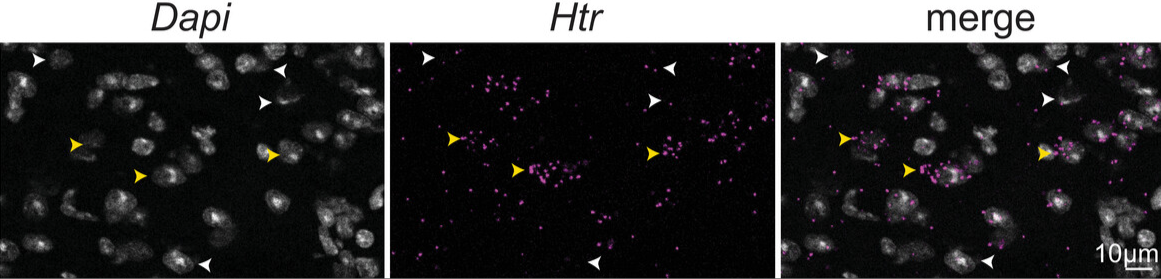
Serotonin seems to quiet down excitatory neurons while boosting inhibitory ones. This differential modulation may help us to understand the role of serotonin in auditory disorders such as tinnitus and age-related hearing loss.
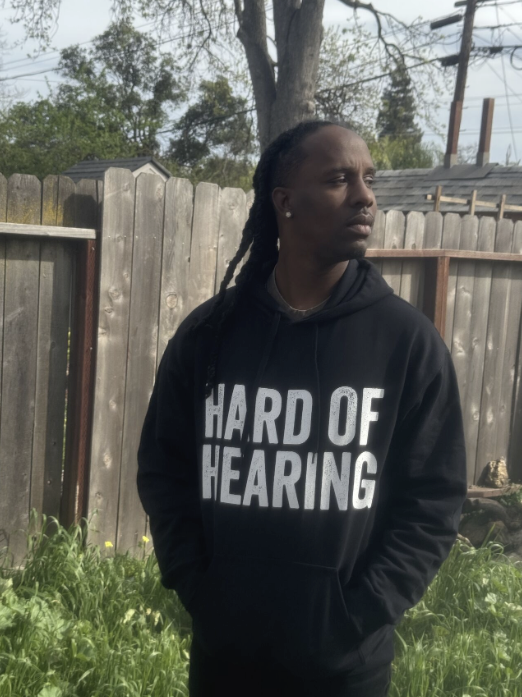
Today, I wear my “HARD OF HEARING” hoodie proudly because I’m no longer hiding from my hearing loss.
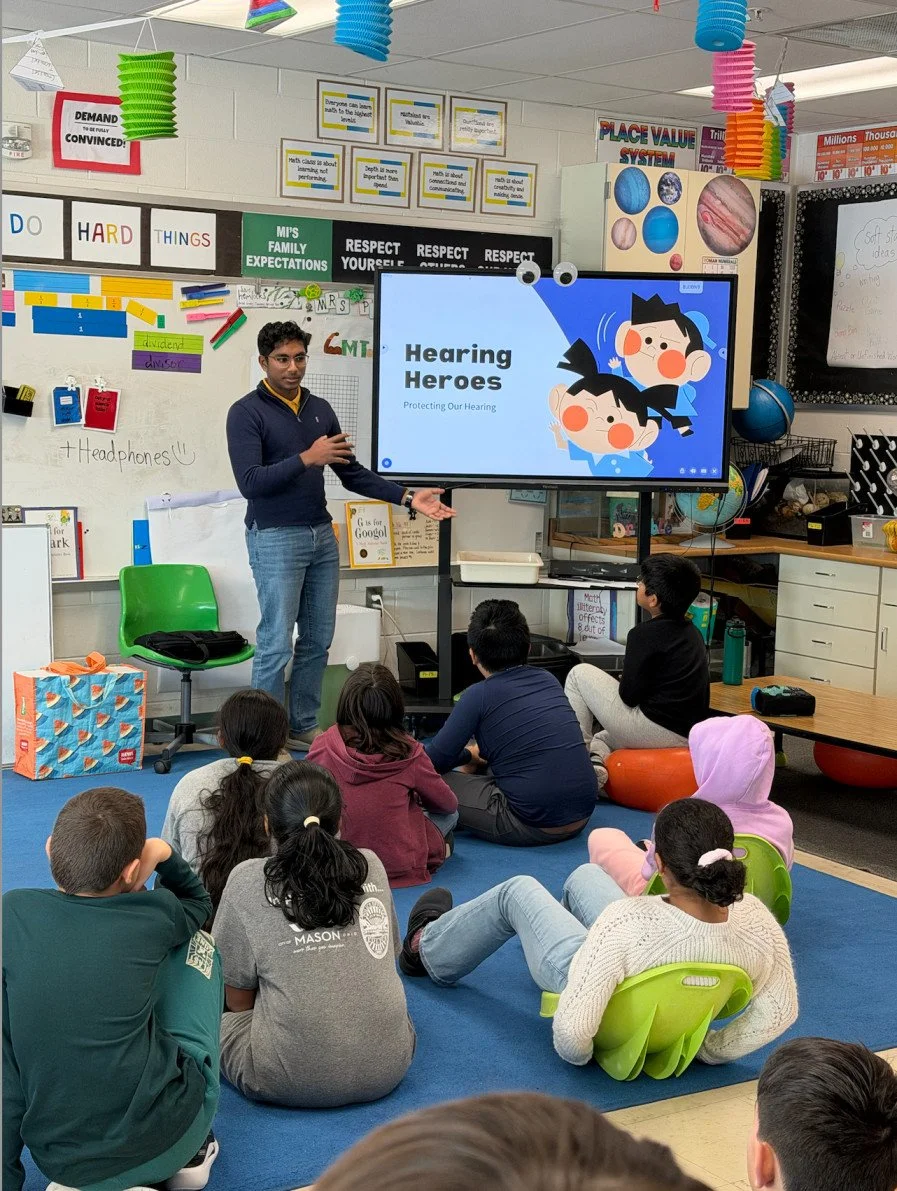
In addition to conducting research, I realized that prevention is just as important, or even more important than treatment. Noise-induced hearing loss (NIHL) is becoming increasingly prevalent among Gen Z—my peers—due to increased access to personal listening devices and loud entertainment events.
Auracast promises something long imagined but never fully realized: a standardized, open broadcast that allows audience members to receive high-quality audio directly in their own hearing aids, earbuds, or smartphones. This happens without venue-specific hardware, without checkout counters, and without the stigma or inconvenience of borrowed devices.
The internship last summer provided my first real chance to step into hearing science and learn the experimental side of speech perception under the tutelage of a senior researcher.
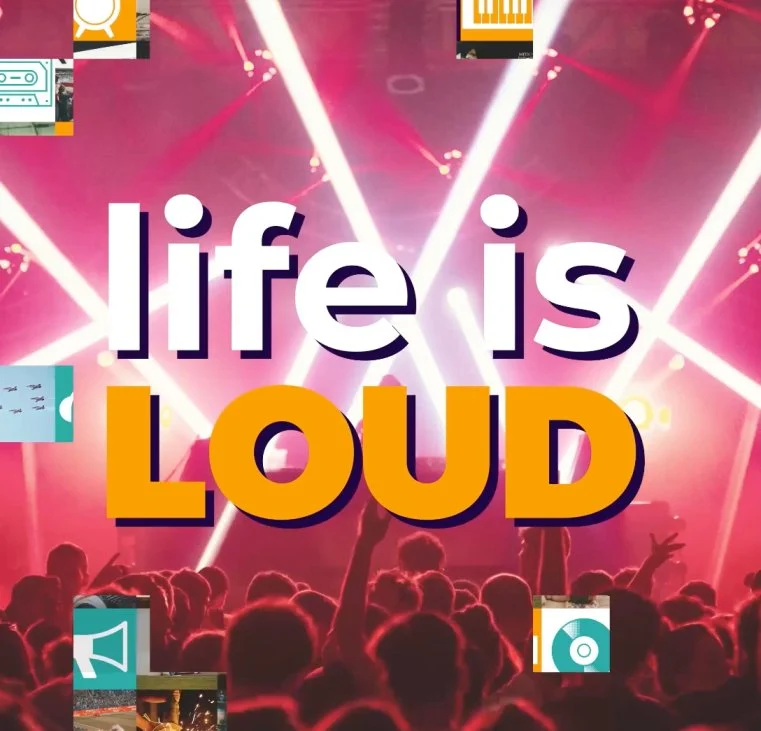
Our new public service announcement “Let’s Listen Smart” recognizes that life is loud—and it’s also fun. And the last thing we want to do is stop having fun! We just need to listen responsibly.
Hearing contributes directly to independence, confidence, and how actively people participate in daily routines, and regular hearing checks deserve the same kind of attention people already give to routine doctor or dental visits.
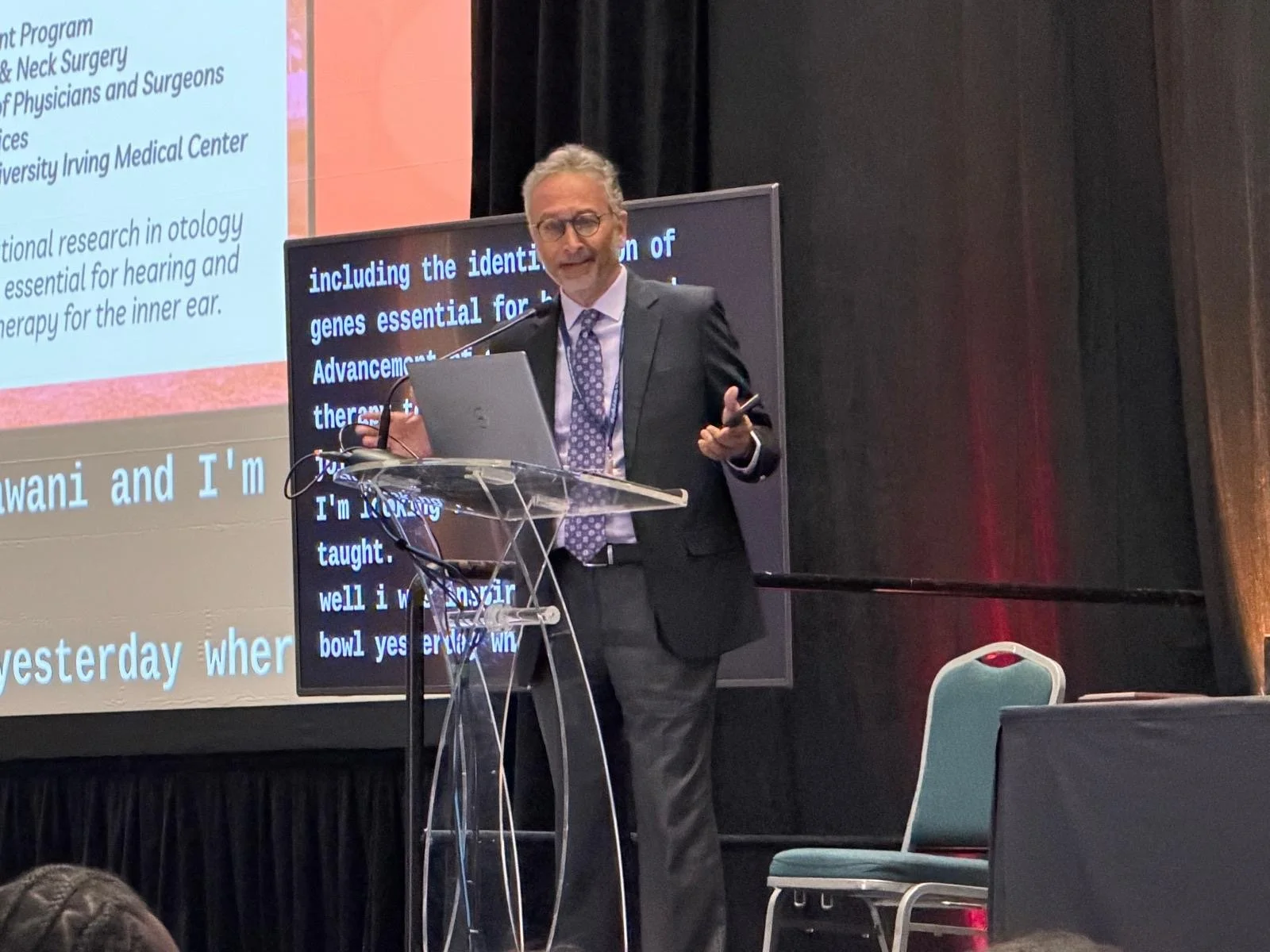
We are proud that Hearing Health Foundation-funded scientists are always well represented at Association for Research in Otolaryngology MidWinter Meeting.
For individuals with long-term hearing loss or severely degraded auditory input, the lack of reliable auditory feedback represents a challenge many orders of magnitude greater than the temporary masking used in this study.

Hearing loss doesn’t have to be the end. It can feel like it, but it doesn’t have to be. Music is still possible. Life is still possible. There are ways to regain control, ways to find your own authorship through understanding. I want people to know that.